
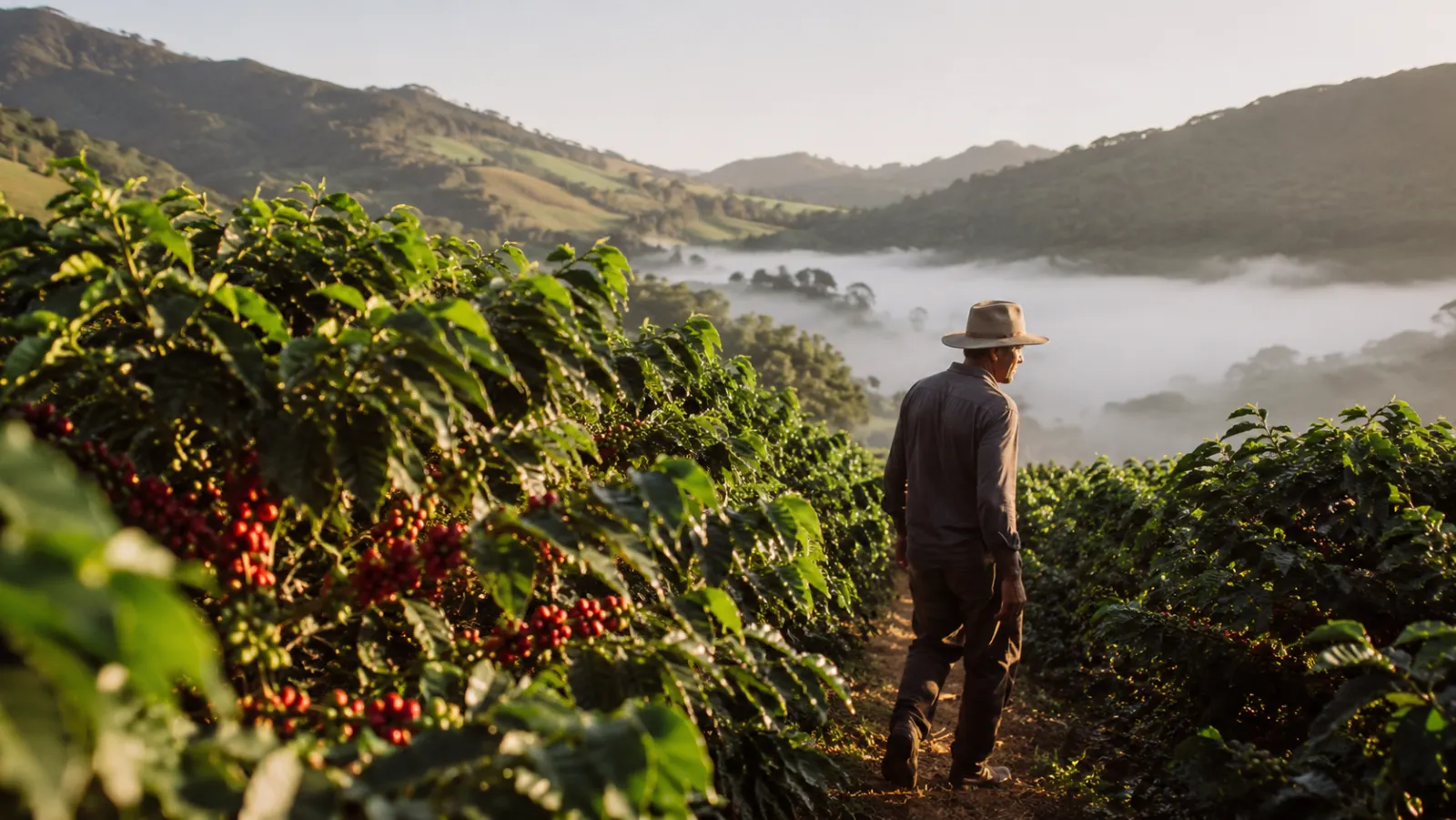
A coffee cooperative had the container almost ready to ship to Europe: certified quality, buyer confirmed, price agreed. It was missing one piece of data no one had asked for before: the GPS coordinate of each plot of origin. Without it, the EU importer couldn’t file its declaration. The container stayed in port.
The EUDR — the EU’s deforestation regulation — requires that every lot of coffee, cocoa, wood, soy, palm, rubber or cattle entering the European Union carry the geolocation of its plots of origin and a due-diligence statement proving there was no deforestation after 31 December 2020. It applies to large and medium operators from December 2026, and to micro and small ones from June 2027.
For a Latin American exporter, the twist is uncomfortable but clear: the requirement falls on the EU importer, but the data has to come from you.
Which products it covers (and which it doesn’t)
The EUDR applies to seven commodities and many of their derivatives: cattle, cocoa, coffee, oil palm, rubber, soy and wood. That includes processed products such as chocolate, leather, furniture, paper and soluble coffee.
If you export any of them, you’re in scope. If you export, say, cement or steel, your European lever is a different one — CBAM — not the EUDR. Mixing the two regulations is a common mistake: they have different products, dates and logic.
The three requirements to prepare
Compliance rests on three pieces your buyer will need from you:
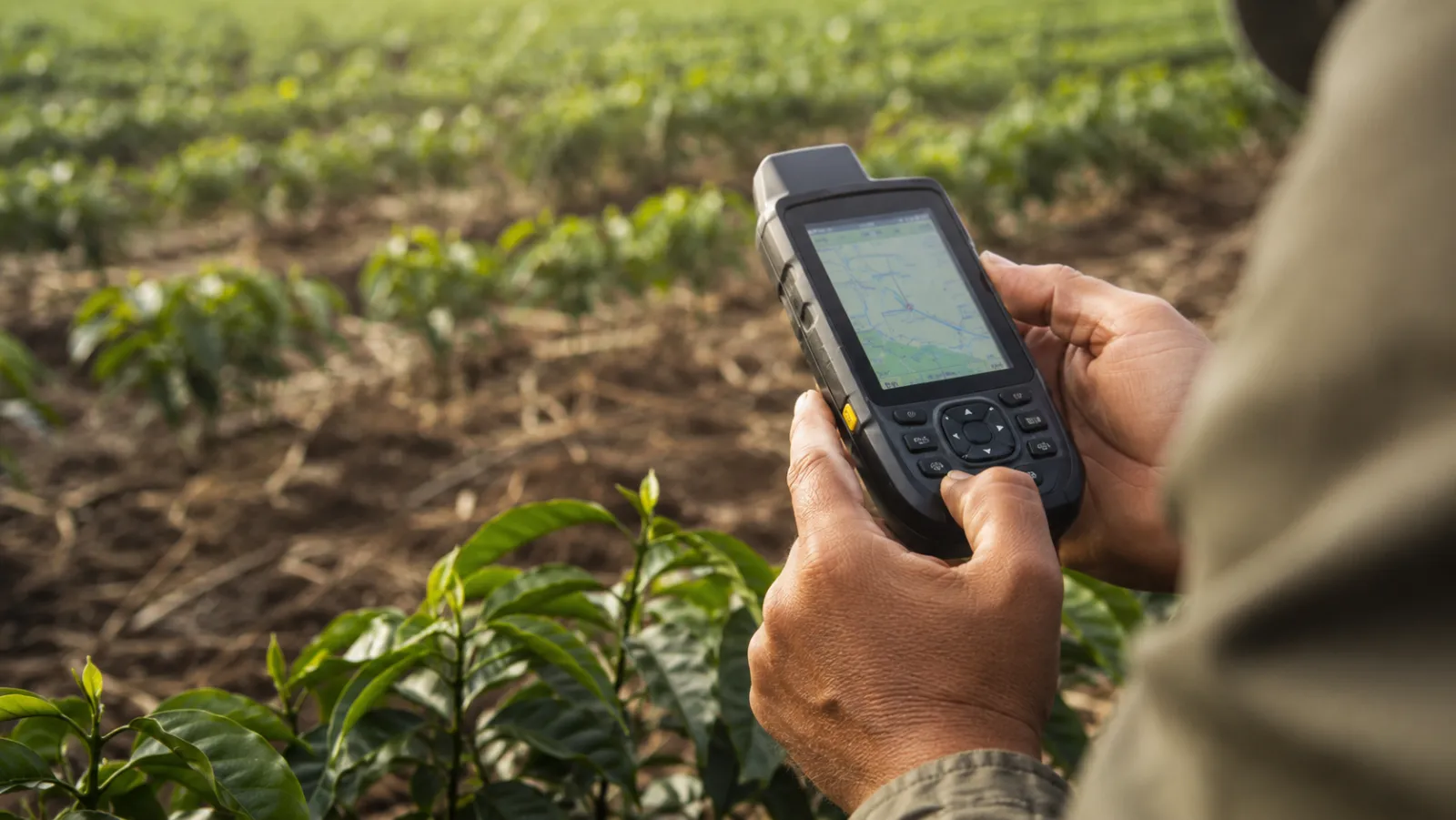
- Plot geolocation. GPS coordinates of each production plot (polygons for larger areas). It’s the most laborious requirement and the one that stops the most containers.
- Proof of “deforestation-free”. Evidence that the land wasn’t deforested after 31 December 2020. This is where satellite imagery, land registries and origin documentation come in.
- Due-diligence statement. The information and risk-analysis package that backs the previous two and lets the product be traced back to its plot.
Dates: large is not the same as small
The application was staggered, and that’s one of the most common errors — still quoting dates that have already passed. Here’s the current situation:
| Operator | Applies from |
|---|---|
| Large and medium | December 2026 |
| Micro and small | June 2027 |
The European Commission has stated there will be no further postponement. Note that the date depends on the size of the operator in the chain, not only on yours: if your buyer is large, your requirement arrives sooner. Building traceability early is what keeps an order from stopping over a coordinate.
One more factor: country risk
The EUDR classifies countries into risk levels (low, standard, high), and that adjusts the intensity of checks. It doesn’t change what you must prepare, but it does change how much verification the importer applies. It’s worth knowing which level your country of origin sits in to size the effort.
Frequently asked questions
Which products are covered by the EUDR?
Cattle, cocoa, coffee, oil palm, rubber, soy and wood, plus many derivatives (chocolate, leather, furniture, paper, soluble coffee, among others).
What is the deforestation-free cut-off date?
31 December 2020. The production land cannot have been deforested after that date.
How are plots geolocated?
With GPS coordinates of the production point; for larger areas, with polygons delimiting the land. This data feeds into the due-diligence statement.
Has the EUDR been postponed again?
The current dates are December 2026 (large and medium operators) and June 2027 (micro and small). The Commission has indicated there will be no further postponements.
The bottom line
The EUDR doesn’t reward those who produce well: it rewards those who can prove it, plot by plot. And traceability isn’t improvised the week of shipment; it’s built beforehand.
At EcoAsesoría we help coffee and agroindustry exporters structure the traceability and due-diligence evidence the EUDR requires, through audits and documentation preparation. If your European buyer is already asking for geolocation, let’s talk before a container gets stuck.